A sustainable home is often pictured as a collection of products: efficient equipment, recycled finishes, a material with the right certification. Those choices matter, but product lists age quickly. A more durable question is what happens when the household changes. Can the home change with it, or does every new chapter begin with demolition?
The World Green Building Council’s circularity principles place material reduction and longer product life before end-of-life recycling. That shifts the design conversation. Sustainability is no longer only about what a room is made from. It is also about how long the room remains useful.
Keep the centre free
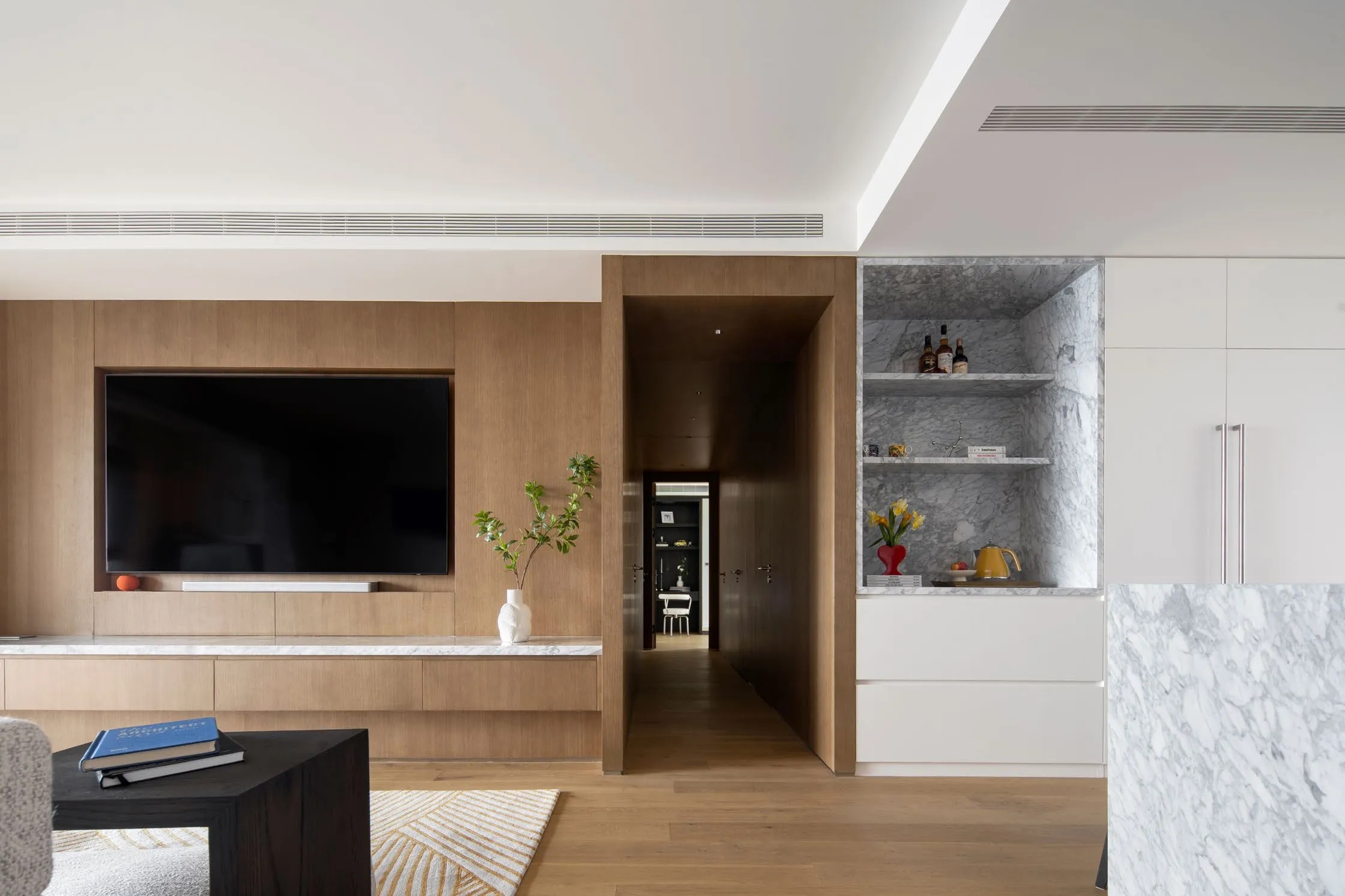
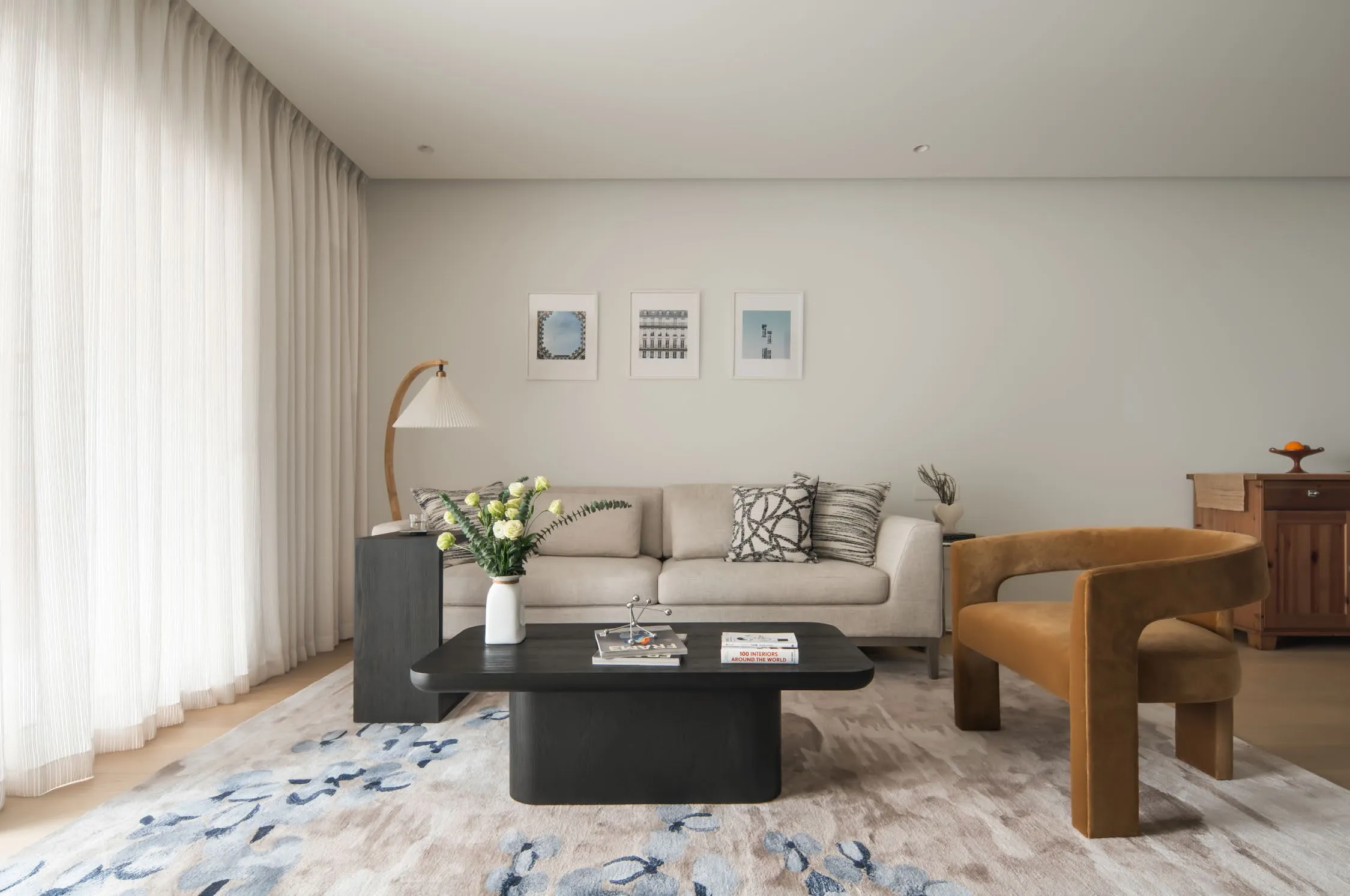
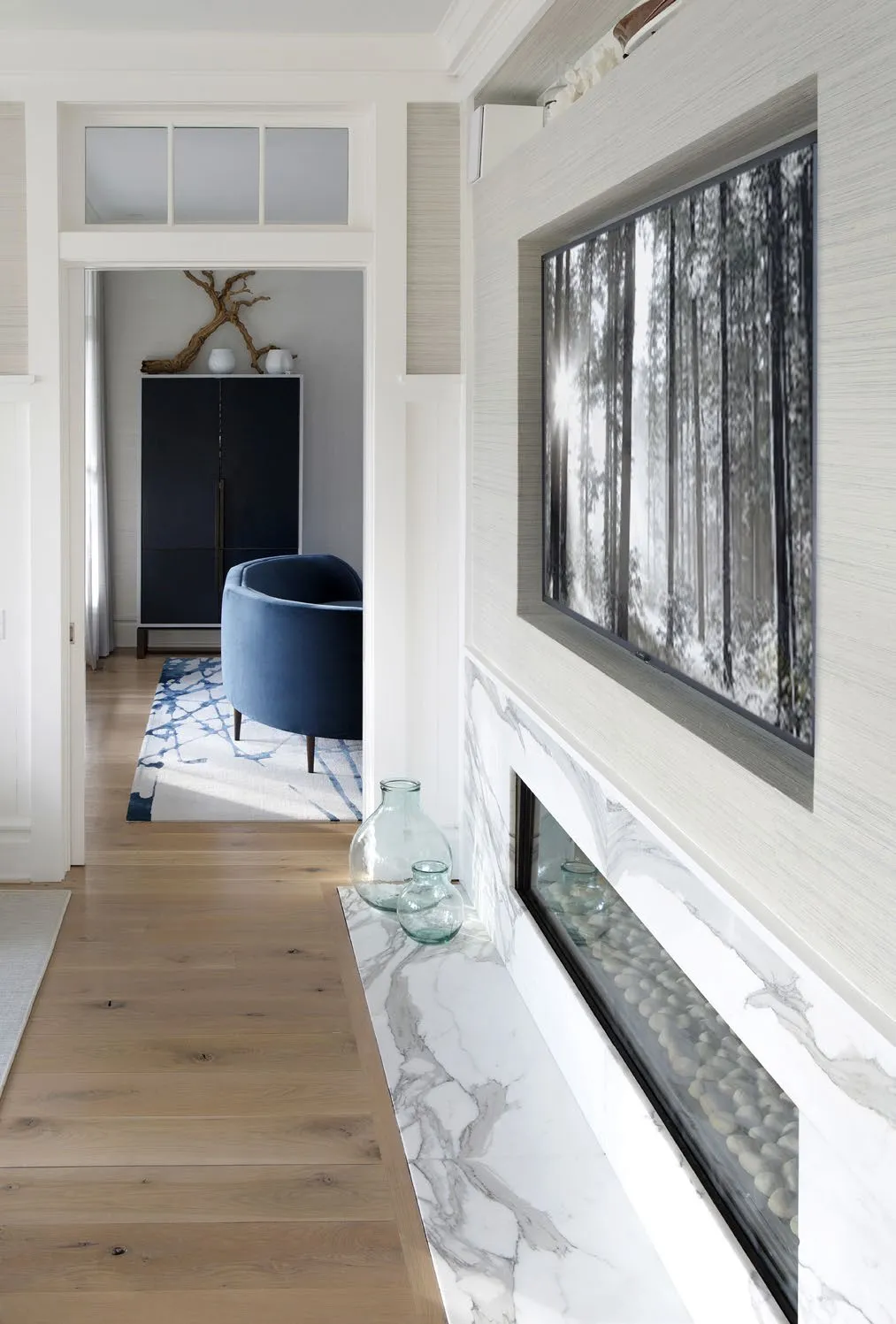
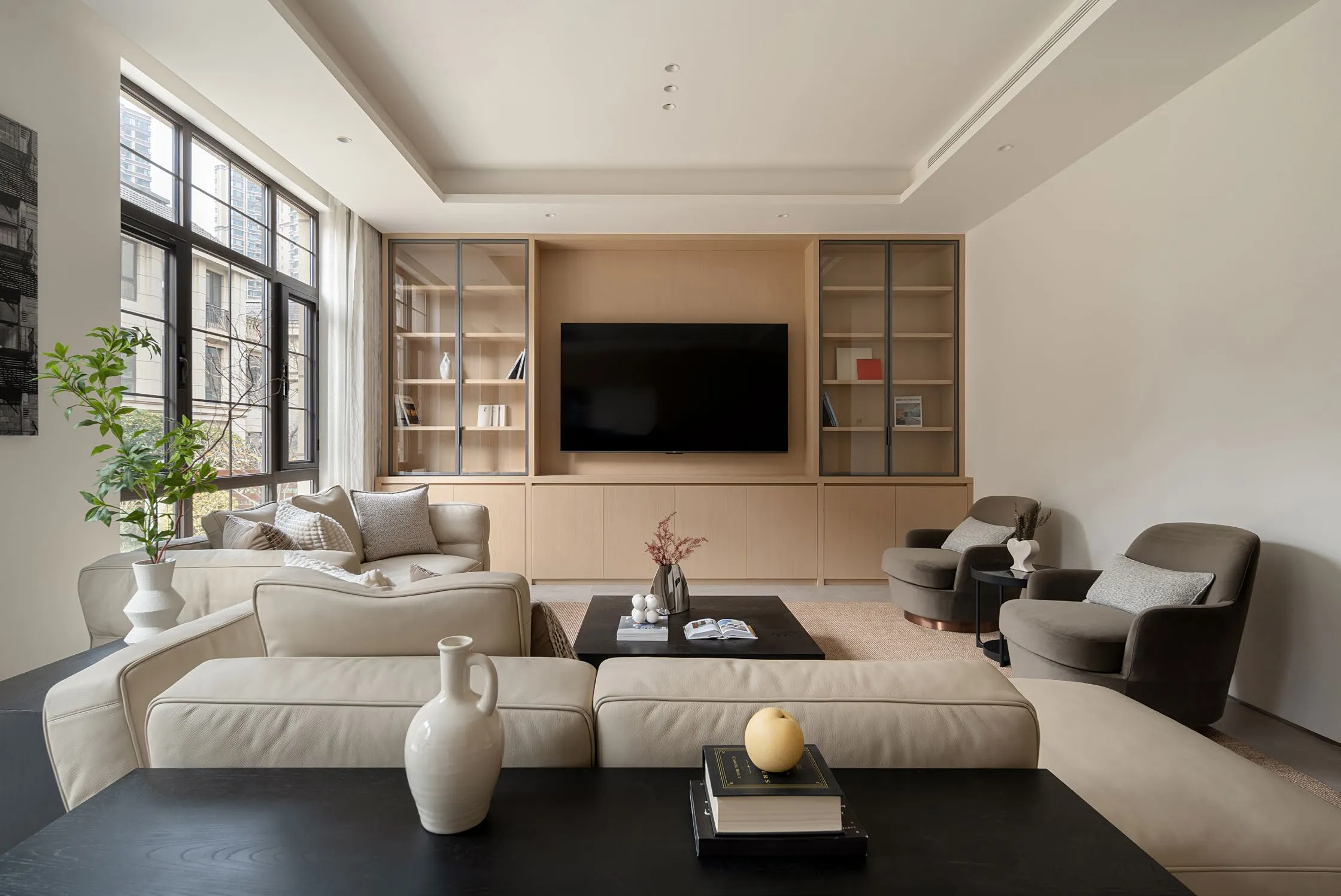
Across Z Residence, Y Residence, C Residence and L Beach House, the images show different climates and different lives, but a shared discipline. Storage, services and fixed cabinetry are pulled toward the perimeter. The centre stays legible. A sofa can turn, a dining table can extend, a clear route can remain clear when a stroller, a visiting parent or reduced mobility changes the way a family moves.
This is not the empty flexibility of a blank white box. Each room still has a point of view. The architecture frames daylight and long views; loose furniture gives daily life permission to edit the composition. The result is specific without becoming brittle.
Use less by asking more of each element
In these homes, one move often performs several jobs. Full-height joinery stores objects, quiets a wall and conceals services. A continuous floor makes rooms feel larger while removing thresholds. A sheer curtain softens glare, adds privacy and lets daylight do more of the daytime work. The sustainable gain is not a spectacular object. It is the avoided extra layer.
Health belongs in the same conversation. Current residential wellbeing frameworks, including WELL for residential, connect healthier homes with air, water, light and safer material choices. In practice, those ambitions become tactile: daylight that can be moderated, surfaces that are easy to maintain, and circulation that does not ask the body to negotiate unnecessary obstacles.
Global principles, local answers
An international perspective should not make homes look more alike. It should make the questions sharper. Chengdu’s humid summers and soft light are not New York’s long winters; a coastal house does not age like an urban apartment. Climate, maintenance habits, craft traditions and the rhythms of hospitality all change the right answer.
What travels well are the principles: reduce unnecessary material, choose finishes that can be maintained and repaired, make rooms useful in more than one arrangement, and leave a clear path for future adjustment. What remains local is the expression—the weight of a curtain, the warmth of timber, the depth of a threshold, the place where a family naturally gathers.
A good home does not need to predict the future. It only needs to avoid getting in its way.